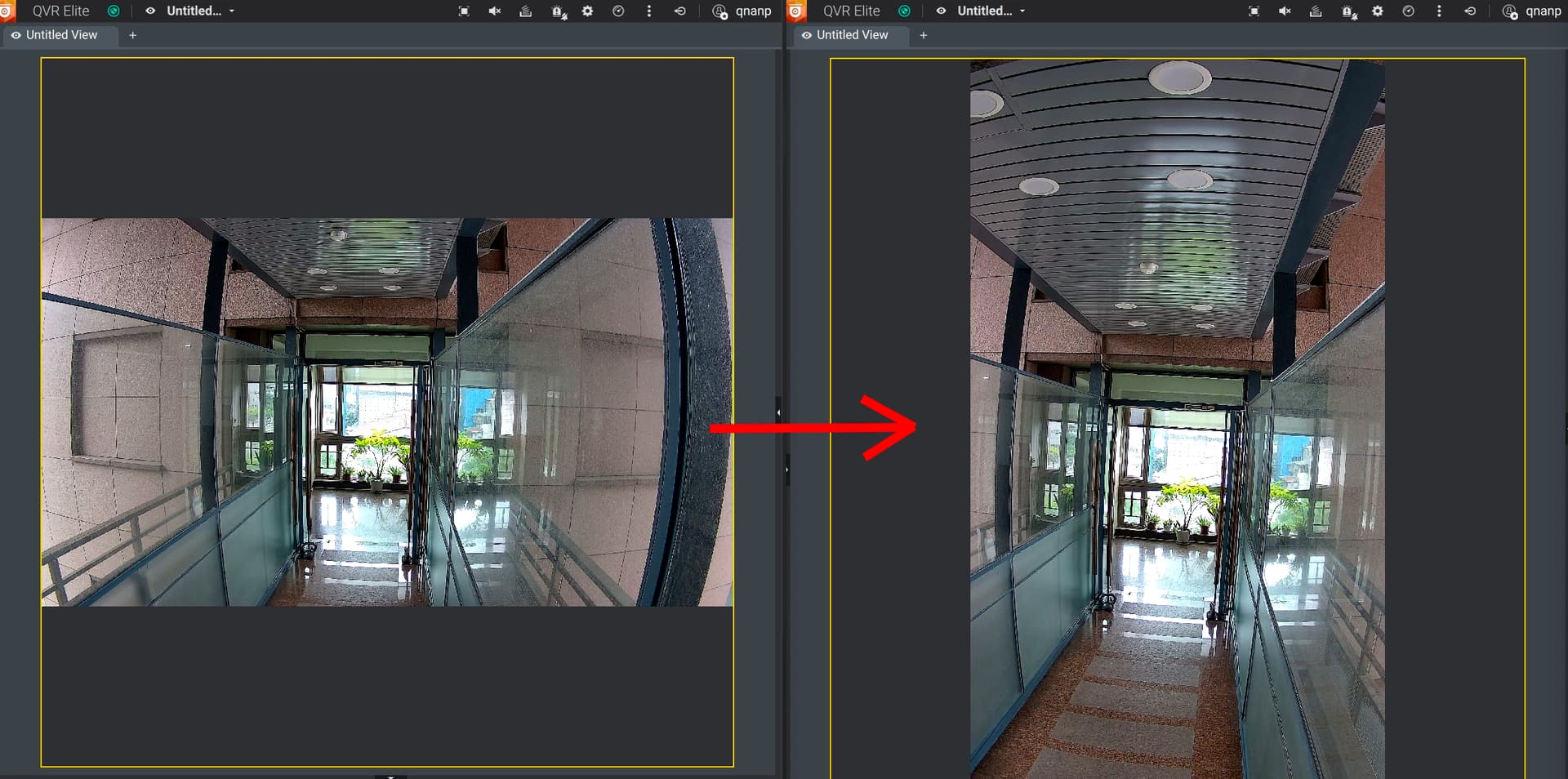
Many buildings, such as schools, hospitals, offices, and hotels, have long, narrow corridors. When monitoring these corridors with an IP camera that has a standard 16:9 aspect ratio, the top and bottom parts of the screen are often wasted, and the horizontal field of view may not be sufficient. In such cases, “Corridor Mode” is a useful feature.
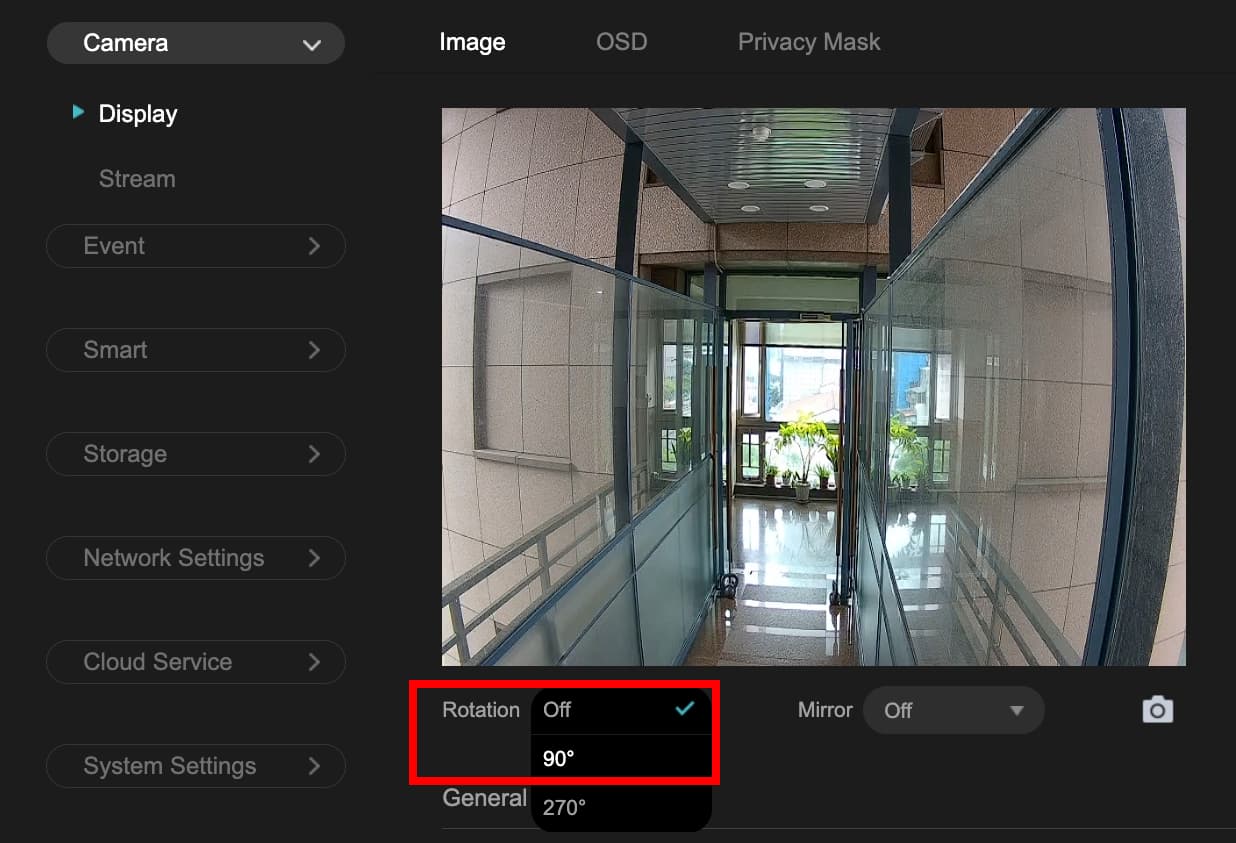
With Corridor Mode, the camera image is rotated 90 degrees, converting the horizontal image (16:9) into a vertical image (9:16), which allows for a display suited to the shape of the corridor.
This enables monitoring with a vertically oriented image, allowing you to effectively monitor the entire corridor. It reduces visual blind spots and also helps save on storage and bandwidth.
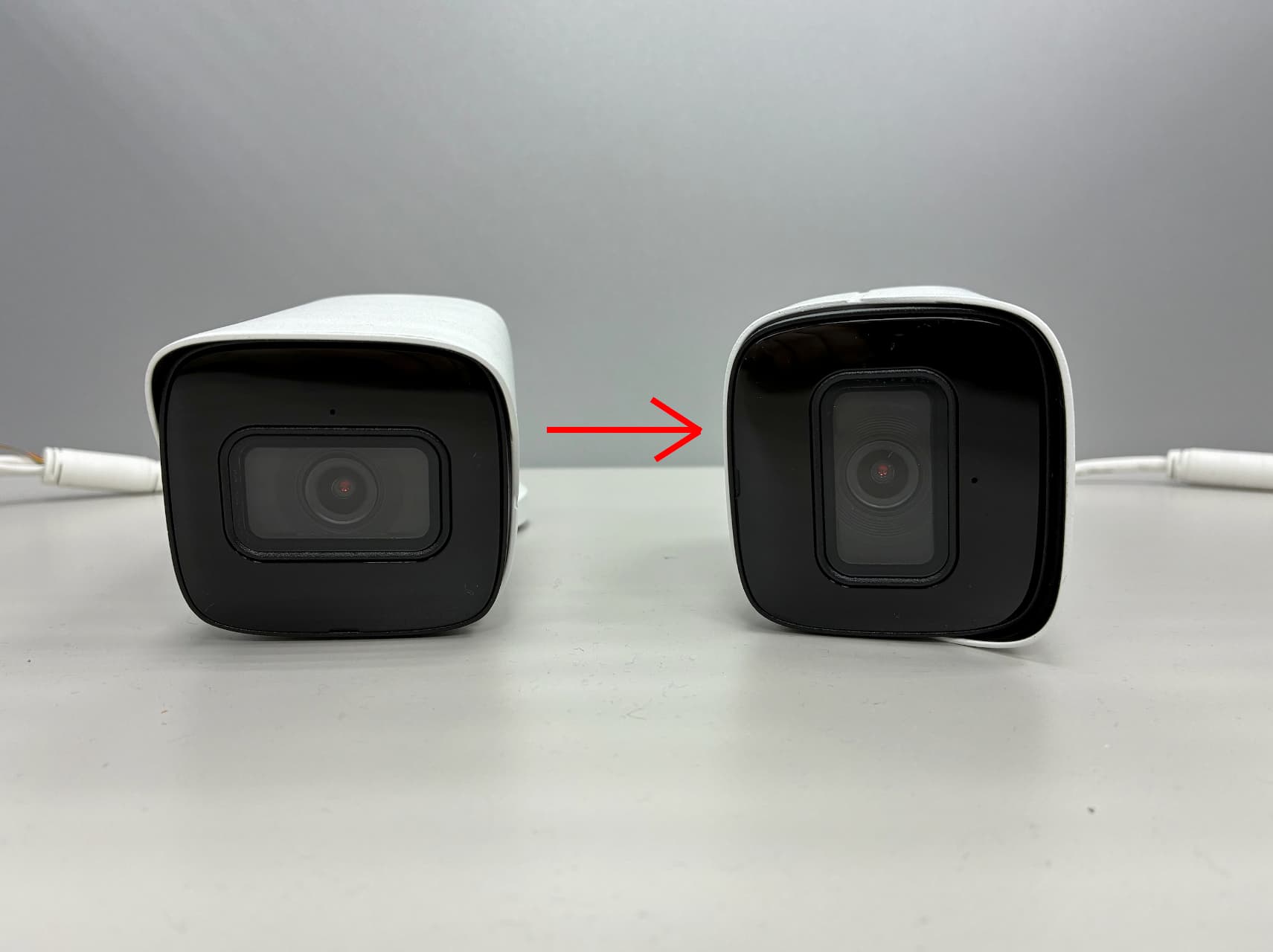
Currently, many IP cameras support Corridor Mode, which can be switched by changing the firmware settings or the installation direction. It is a highly effective feature when installing cameras in narrow indoor spaces.
Now that you mention it, that’s certainly true.
I had always assumed the image rotation feature was only for when you need to flip something upside down, but if you rotate it sideways, you can actually capture vertically long images.
(Thinking about it, that’s how it works on smartphones too…)
By rotating 90°, is there any side effect, such as slowing down AI image processing?
That’s right, corridor mode is very convenient for monitoring long, narrow spaces, but there are some side effects and limitations.
For example:
Even within the same brand, basic model cameras may not have chips capable of processing rotated images by 90 degrees, so higher-end models may be required.
To achieve a vertical layout, some cameras need to be physically rotated 90 degrees during installation, and not all mounting brackets or installation locations are suitable for this.
Older types of NVRs or VMS may not be able to display rotated images correctly, which can result in abnormal aspect ratios or distortion of recorded data.
Some video analytics functions (such as face recognition or intrusion detection) may have reduced accuracy in corridor mode. This is because the image orientation differs from the assumptions made during AI model training.