Dear qnap support guru’s
I bought a few wansview Q5 cameras for my mum during her palliative care last year, but sadly lost her battle in december, in her 92 year of life.
I went through the trouble to integrate 2 of these onto my qnap surveillance system ONVIF profile and a lot of trial and error, but all good.
OK, cut to the chase the question here.
so now i have it operational, albeit the alarm recordings dont work, but the H.264 640x360 stream 2 is stable and viewerable in the mobile app
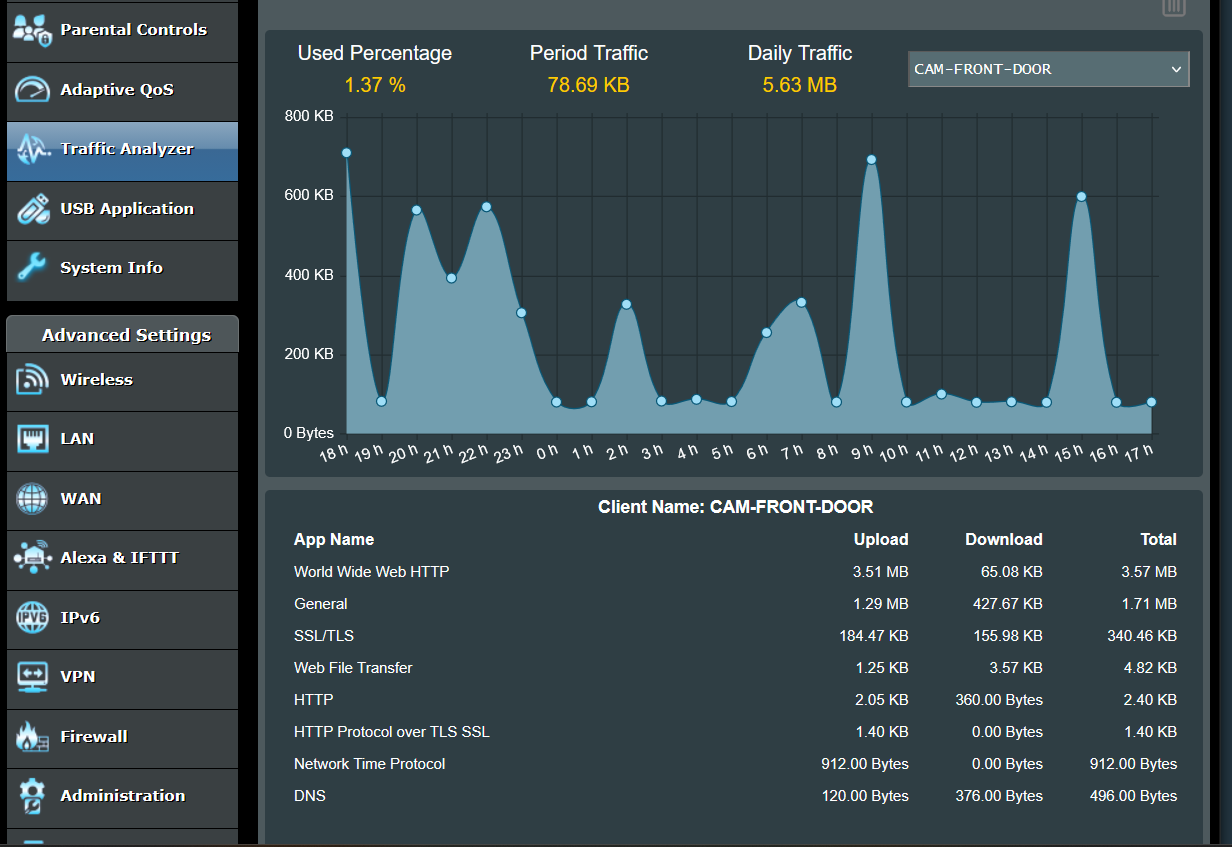
I now want to prevent the streaming to the wanview cloud service as dont want the chinese looking at what i’m doing or at my front door, but i’d like ability to turn this on and off as would prefer to use the Pan and Tilt function to move the capture area on occasions.
I have an asus merlin router, that supports iptables, I guess this is the best method to restrict the cameras from streaming to the internet, but guess i still need to allow DNS for NTP server name resolution and also NTP to allow camera time stamps to be accurate.
anyone here please kind enough to advise my approach is sound before i have to read and craft an iptables rule set and associated bash script to turn on and off the restrictions please?
KR, Adrian